SEARCH WHAT YOU WANT

English

Peristaltic pumps
Peristaltic pumps have no valves, seals or glands, and the fluid contacts only the bore of the hose or tube. Simple to install, easy to use and quick to maintain, they are the world's fastest growing pump type.
● There is no contamination of the pump or the fluid
● Ideal for slurries, viscous, shear-sensitive and aggressive fluids
● No backflow, no siphoning
● Wide range of tubes includes industrial, food-grade and medical
Sinusoidal pumps
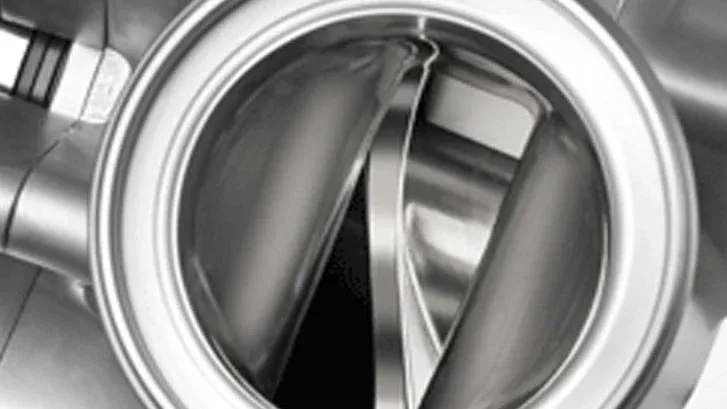
Sinusoidal pumps use a single sinusoidal shaped rotor that creates four evenly sized chambers as it rotates. The chambers open and close drawing fluid through the pump, resulting in a smooth flow with virtually no pulsation.
● Simple maintenance performed in place by a line operative
● Bi-directional running enables duty fluid to be returned to source
● Separation between the wet end and dry end ensures no contamination
Against the competition
Progressive cavity pumps cannot run dry, for more than a few seconds. They can self prime but if the fluid takes time to get to the pump then the rotor/stator must either be manually lubricated or the pump needs charging with duty fluid.
Piston pumps rely on ball valves, which must be protected with strainers and yet more valves: back-pressure valves, for example. Foot valves are needed to maintain prime. Valves are prone to clogging and breakdown.
Air-operated diaphragm pumps require a compressed air supply to drive them. If this does not already exist it can be very expensive to install. Even the best-maintained air supply systems are inefficient with at least 30% air leakage.
Pumps by principle
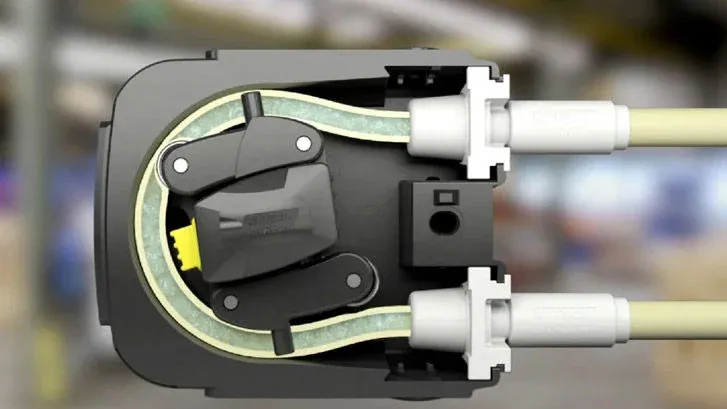
How do peristaltic pumps work?
Learn more about the benefits of using our peristaltic pumps in your process.
Contact Us
Email us now
+86 400 111 0186
Customer support
About Us

Copyright © 2026 Changzhou PreFluid Technology Co., Ltd.