Product Categories
SEARCH WHAT YOU WANT

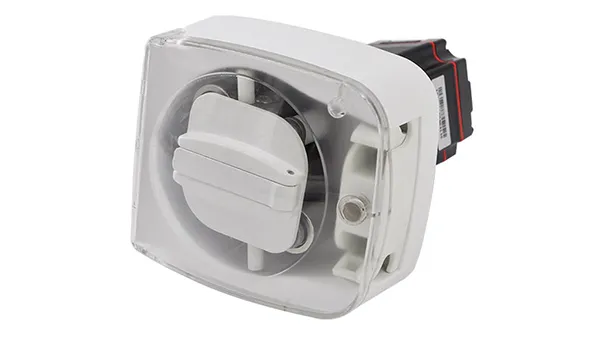
A peristaltic pump is a positive displacement pump that works by mimicking the peristaltic movement of the human esophagus. Its core components include the pump head, hose, and rollers.
The working process can be divided into three simple steps:
1. Compression: The rotating rollers compress the elastic hose, propelling the fluid forward.
2. Sealing: At least one roller always completely closes the hose, forming a sealed cavity to prevent backflow. This eliminates the need for valves in a peristaltic pump.
3. Recovery and Suction: As the rollers continue rotating and move away, the compressed hose returns to its original shape due to its elasticity, creating a vacuum (negative pressure) that draws fluid into the hose.
This process repeats continuously, achieving continuous fluid delivery.
Main Features and Advantages of Peristaltic Pumps
The information you provided is comprehensive; here is a summary:
No Contamination: The fluid only contacts the hose and not other parts of the pump body, avoiding cross-contamination.
Easy to clean and maintain: Simply replace the hose or the entire pump head to handle different fluids or perform cleaning, making it very convenient.
Self-priming and dry-running capability: It has excellent self-priming capability and allows for dry running (idle running) without damaging the pump.
Reversibility (usually referring to DC motors): The fluid flow direction can be easily changed by altering the motor's rotation direction.
High-precision metering: Flow rate is directly proportional to motor speed; precise speed control enables high-precision fluid delivery and metering.
Capability to handle complex fluids: It can transport fluids containing particles, high viscosity, strong corrosiveness, or those sensitive to shear forces (such as living cells) because the pumping action is relatively gentle.
Applications of peristaltic pumps
Peristaltic pumps are widely used in the following fields due to their unique advantages:
Medical and pharmaceutical: Dialysis machines, infusion pumps, bioreactors, sterile liquid transfer.
Food and beverage: Transporting yogurt, jam, beverages, condiments, etc., avoiding contamination.
Chemical and laboratory: Precise dispensing of corrosive chemicals, adding reagents, stirring systems.
Environmental Protection and Water Treatment: Wastewater sampling, coagulant addition, and condensate discharge.
Scientific Research and Analytical Instruments: Serving as the liquid delivery unit for equipment such as gas chromatographs and flow injection analyzers.
Key Technology Considerations and Selection
Selecting a suitable peristaltic pump requires considering the following:
1. Motor Type
Brushed DC Motor: Low cost, simple control, but limited lifespan (due to brush wear).
Brushless DC Motor: Long lifespan, high efficiency, and precise speed control, ideal for high-performance applications.
Stepper Motor: Enables extremely high-precision position and speed control, ideal for accurate metering.
AC Motor: Typically used for simple applications requiring constant flow rates.
2. Hoses (Pump Tubes) Material
The hose is a core consumable of the peristaltic pump, and material selection is crucial:
Silicone: Good biocompatibility, transparent, high-temperature resistant, commonly used in the medical and food industries (for conveying non-corrosive media).
Thermoplastic vulcanized rubber: such as Santoprene™, offers excellent fatigue resistance and chemical compatibility, making it a common choice for general-purpose laboratory pumps.
Fluororubber: such as Viton®, provides excellent chemical resistance and is used for conveying strong acids, strong alkalis, and organic solvents.
PVC: Low cost, but prone to aging and has limited flexibility.
3. Flow Rate and Accuracy Control
Flow Rate Formula: Flow rate = Displacement per revolution × Rotational speed. Therefore, flow rate can be linearly controlled by adjusting the motor speed.
Improving Accuracy: Using smaller inner diameter hoses and increasing motor speed can reduce the volume of liquid per drop, thereby improving metering accuracy.
Reducing Pulsation: Increasing the number of rollers can make the flow output smoother, which is crucial for conveying shear-sensitive fluids (such as cells).
4. Hose Life and "Breakage"
Hose Life: Hose fatigues and ages under repeated compression. Selecting larger inner diameter hoses, reducing pump speed, and adjusting the appropriate pressure clearance (closure degree) can significantly extend hose life.
Spallation: This refers to the phenomenon where tiny particles detach from the inner wall of the hose due to friction and mix into the fluid. This must be avoided in pharmaceutical and biological applications. Selecting special low-spillation materials (such as Versalloy™) and optimized pump head design can solve this problem.
5. Other Advanced Features
Multi-channel Pump Head: One motor drives multiple channels, allowing simultaneous delivery of multiple fluids or dispensing of the same fluid to multiple containers.
Adjustable Closure: Allows users to fine-tune the roller clamping force on the hose to accommodate different hose wall thicknesses and system back pressures, maximizing hose life while ensuring flow rate.
Summary
Peristaltic pumps are simple yet powerful fluid delivery devices. Their pollution-free operation, ease of maintenance, high precision, and good adaptability to complex fluids make them an irreplaceable choice in many industrial and research fields. Selecting a suitable peristaltic pump requires comprehensive consideration of factors such as fluid properties, flow accuracy requirements, hose material compatibility, and motor control methods.
A peristaltic pump is a positive displacement pump that works by mimicking the peristaltic movement of the human esophagus. Its core components include the pump head, hose, and rollers.
The working process can be divided into three simple steps:
1. Compression: The rotating rollers compress the elastic hose, propelling the fluid forward.
2. Sealing: At least one roller always completely closes the hose, forming a sealed cavity to prevent backflow. This eliminates the need for valves in a peristaltic pump.
3. Recovery and Suction: As the rollers continue rotating and move away, the compressed hose returns to its original shape due to its elasticity, creating a vacuum (negative pressure) that draws fluid into the hose.
This process repeats continuously, achieving continuous fluid delivery.
Main Features and Advantages of Peristaltic Pumps
The information you provided is comprehensive; here is a summary:
No Contamination: The fluid only contacts the hose and not other parts of the pump body, avoiding cross-contamination.
Easy to clean and maintain: Simply replace the hose or the entire pump head to handle different fluids or perform cleaning, making it very convenient.
Self-priming and dry-running capability: It has excellent self-priming capability and allows for dry running (idle running) without damaging the pump.
Reversibility (usually referring to DC motors): The fluid flow direction can be easily changed by altering the motor's rotation direction.
High-precision metering: Flow rate is directly proportional to motor speed; precise speed control enables high-precision fluid delivery and metering.
Capability to handle complex fluids: It can transport fluids containing particles, high viscosity, strong corrosiveness, or those sensitive to shear forces (such as living cells) because the pumping action is relatively gentle.
Applications of peristaltic pumps
Peristaltic pumps are widely used in the following fields due to their unique advantages:
Medical and pharmaceutical: Dialysis machines, infusion pumps, bioreactors, sterile liquid transfer.
Food and beverage: Transporting yogurt, jam, beverages, condiments, etc., avoiding contamination.
Chemical and laboratory: Precise dispensing of corrosive chemicals, adding reagents, stirring systems.
Environmental Protection and Water Treatment: Wastewater sampling, coagulant addition, and condensate discharge.
Scientific Research and Analytical Instruments: Serving as the liquid delivery unit for equipment such as gas chromatographs and flow injection analyzers.
Key Technology Considerations and Selection
Selecting a suitable peristaltic pump requires considering the following:
1. Motor Type
Brushed DC Motor: Low cost, simple control, but limited lifespan (due to brush wear).
Brushless DC Motor: Long lifespan, high efficiency, and precise speed control, ideal for high-performance applications.
Stepper Motor: Enables extremely high-precision position and speed control, ideal for accurate metering.
AC Motor: Typically used for simple applications requiring constant flow rates.
2. Hoses (Pump Tubes) Material
The hose is a core consumable of the peristaltic pump, and material selection is crucial:
Silicone: Good biocompatibility, transparent, high-temperature resistant, commonly used in the medical and food industries (for conveying non-corrosive media).
Thermoplastic vulcanized rubber: such as Santoprene™, offers excellent fatigue resistance and chemical compatibility, making it a common choice for general-purpose laboratory pumps.
Fluororubber: such as Viton®, provides excellent chemical resistance and is used for conveying strong acids, strong alkalis, and organic solvents.
PVC: Low cost, but prone to aging and has limited flexibility.
3. Flow Rate and Accuracy Control
Flow Rate Formula: Flow rate = Displacement per revolution × Rotational speed. Therefore, flow rate can be linearly controlled by adjusting the motor speed.
Improving Accuracy: Using smaller inner diameter hoses and increasing motor speed can reduce the volume of liquid per drop, thereby improving metering accuracy.
Reducing Pulsation: Increasing the number of rollers can make the flow output smoother, which is crucial for conveying shear-sensitive fluids (such as cells).
4. Hose Life and "Breakage"
Hose Life: Hose fatigues and ages under repeated compression. Selecting larger inner diameter hoses, reducing pump speed, and adjusting the appropriate pressure clearance (closure degree) can significantly extend hose life.
Spallation: This refers to the phenomenon where tiny particles detach from the inner wall of the hose due to friction and mix into the fluid. This must be avoided in pharmaceutical and biological applications. Selecting special low-spillation materials (such as Versalloy™) and optimized pump head design can solve this problem.
5. Other Advanced Features
Multi-channel Pump Head: One motor drives multiple channels, allowing simultaneous delivery of multiple fluids or dispensing of the same fluid to multiple containers.
Adjustable Closure: Allows users to fine-tune the roller clamping force on the hose to accommodate different hose wall thicknesses and system back pressures, maximizing hose life while ensuring flow rate.
Summary
Peristaltic pumps are simple yet powerful fluid delivery devices. Their pollution-free operation, ease of maintenance, high precision, and good adaptability to complex fluids make them an irreplaceable choice in many industrial and research fields. Selecting a suitable peristaltic pump requires comprehensive consideration of factors such as fluid properties, flow accuracy requirements, hose material compatibility, and motor control methods.